With over 2,000 years of history packed into one city, Cologne has stories to tell. And thankfully, the city has plenty of museums to tell them in! From its Roman roots to its modern art scene, Cologne’s museum landscape is as diverse as the city itself. Whether you’re an art aficionado, a history buff, a chocolate lover, or just looking to escape the rain for an afternoon (this is Germany, after all), there’s a museum here with your name on it.
We polled our team of local Cologne tour guides to create this definitive list of the city’s best museums. These aren’t just the biggest or most famous. They’re the museums that consistently impress visitors, spark curiosity, and reveal different facets of what makes Cologne such a fascinating place.
Located throughout the city center, most of these museums are easily walkable from each other (or a quick tram ride away). Many offer audio guides in multiple languages, and several have excellent cafés where you can recharge between museum hopping. If you’re interested in visiting any of these museums with one of our knowledgeable local guides, contact us today to create a custom tour itinerary tailored to your interests. We love helping visitors discover Cologne’s cultural treasures!
All the Best Museums You Shouldn’t Miss in Cologne
Cologne Chocolate Museum
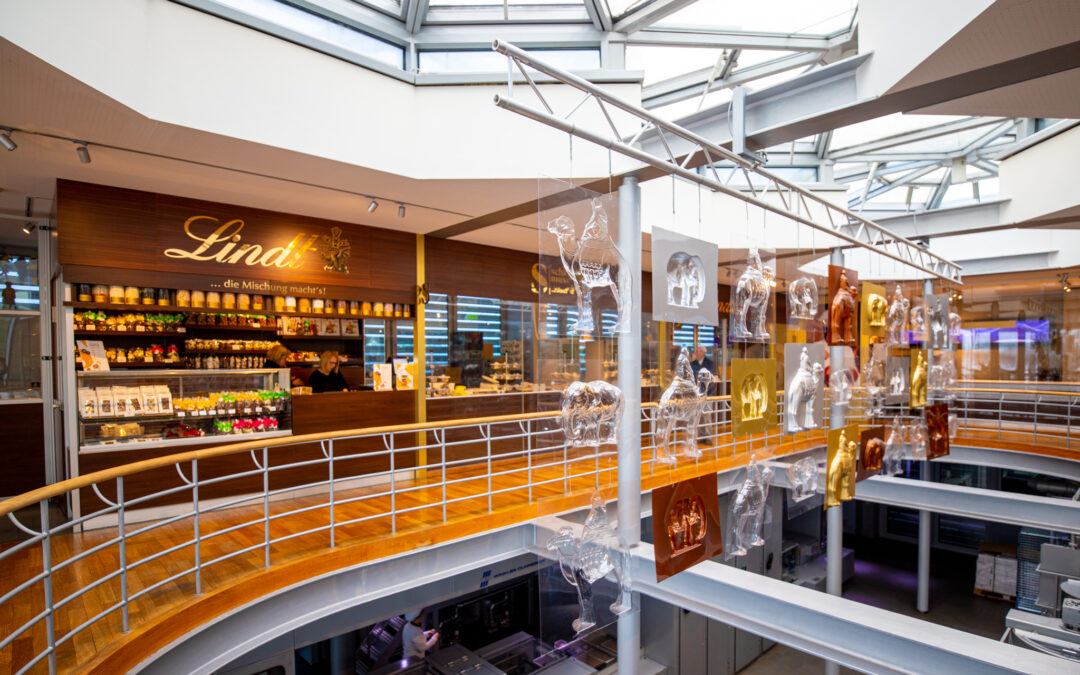
Conveniently located along the Rhine River, the Lindt Chocolate Museum is THE museum to visit in Cologne. In fact, it receives more than half a million visitors per year, making it the most visited private museum in the state of North Rhineland Westphalia. If you are traveling with one of our river cruise partners, your ship might be docked directly in front of the Cologne Chocolate Museum!
The interactive attractions lead visitors through thousands of years of cocoa history, including artifacts and images from the Aztec period to modern day. Also inside the museum is a 10 meter tall tropical greenhouse where you can see and feel how cocoa is grown in the real world.
In the museum, you will learn the entire process of chocolate production from bean to bar. The visit culminates on the production floor, where you can see chocolate bars coming out of a conveyor belt. You can even sample chocolate bars for yourself! A perennial favorite of visitors is the chocolate fountain. A museum employee will dish you up a sample of Lindt’s incredible chocolate fresh from the fountain. Before you leave, make sure to walk up to the rooftop viewing platform for one of the best panoramic views of Cologne. It is very picturesque!
- Address: Am Schokoladenmuseum 1A
- Hours: 10:00 -18:00 Monday – Sunday
- Ticket Price: 13,50€
- Website: http://www.schokoladenmuseum.de/
- Instagram: https://www.instagram.com/schokoladenmuseumofficial/


Farina Fragrance Museum
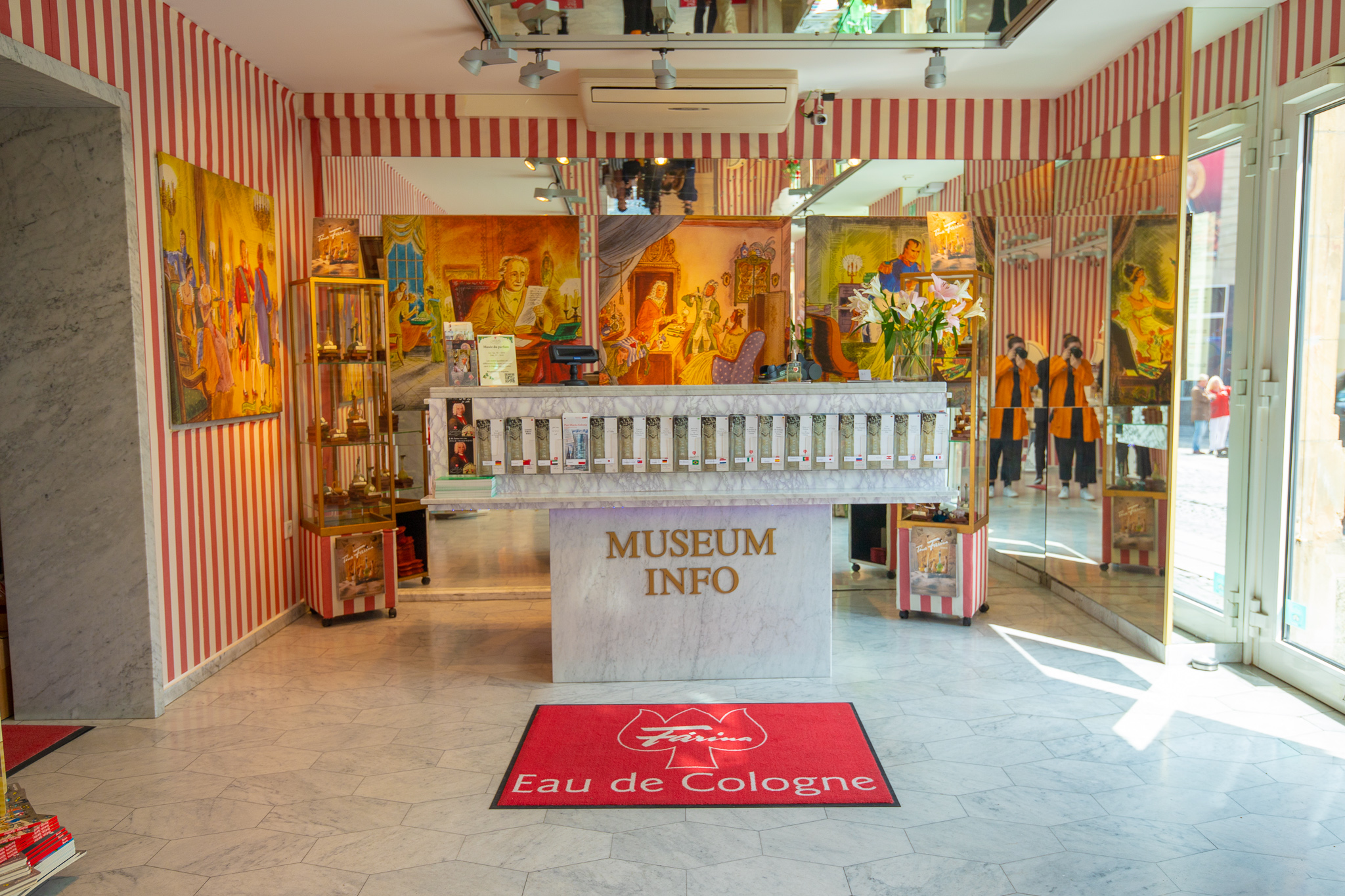
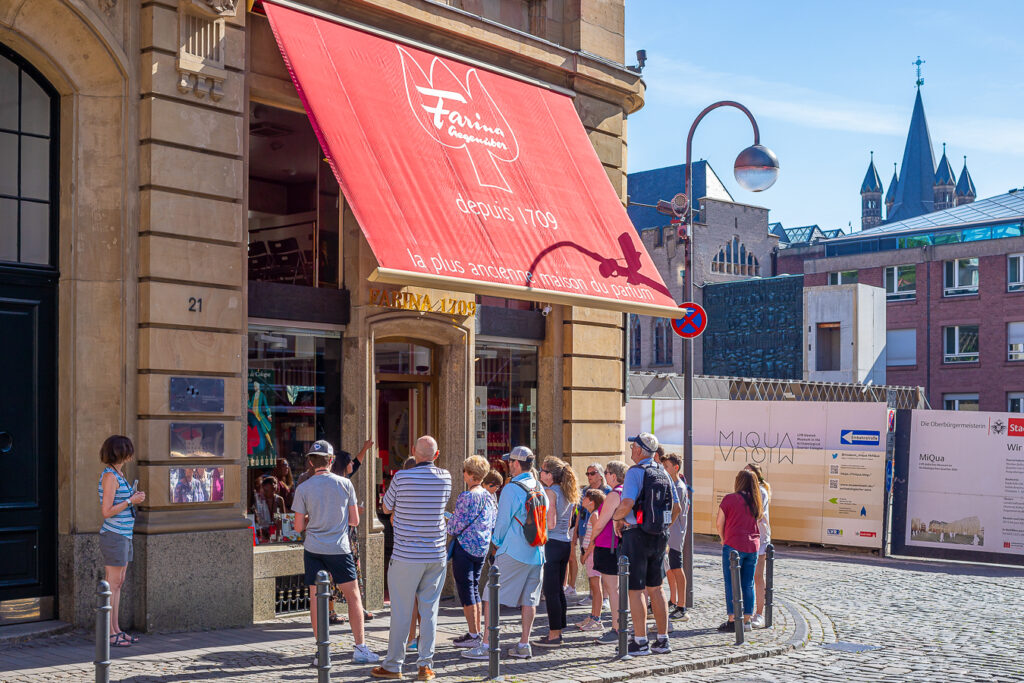
To learn about the history of perfume and eau de cologne production in Cologne, a visit to the Farina Fragrance Museum is essential. This quirky and offbeat museum is housed inside the original building where the Farina family began their perfume production back in 1709. Johann Maria Farina is the world’s oldest known perfume manufacturer, and the Farina’s family still operates the business today. Inside the museum, you will see perfume artifacts like glassware and promotional posters, as well as a lengthy section documenting plagiarism attempts made against the Farina brand.
The museum can only be visited on a guided tour. There are several German and English language tours of the museum offered daily. Be prepared for an offbeat experience in which the passionate guides are dressed in clothing suited to the 18th century and regale you with stories of the brand’s long history. You will learn about famous clients of Farina, such as Napoleon Bonaparte and Princess Diana. At the end of the tour, you’ll receive a souvenir size of perfume to take home with you, or you can buy larger size perfume bottles in the attached gift shop.
- Address: Obenmarspforten 21
- Hours: 10:00 -18:00 Monday – Saturday
- Ticket Price: 9€
- Website: https://farina.org/duftmuseum-besuchen/
- Instagram: https://www.instagram.com/farina_cologne/
Schatzkammer (Cathedral Treasury)
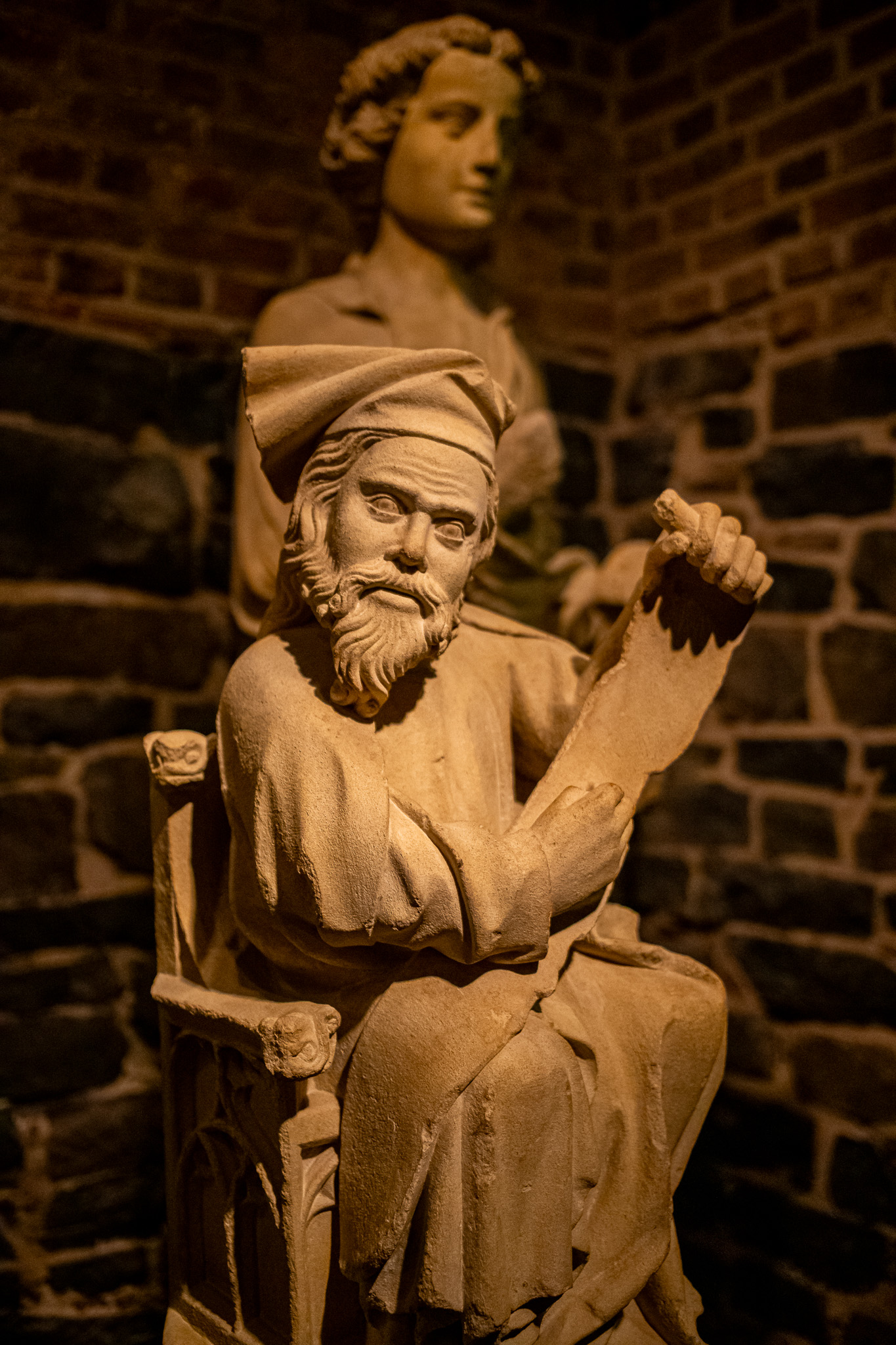
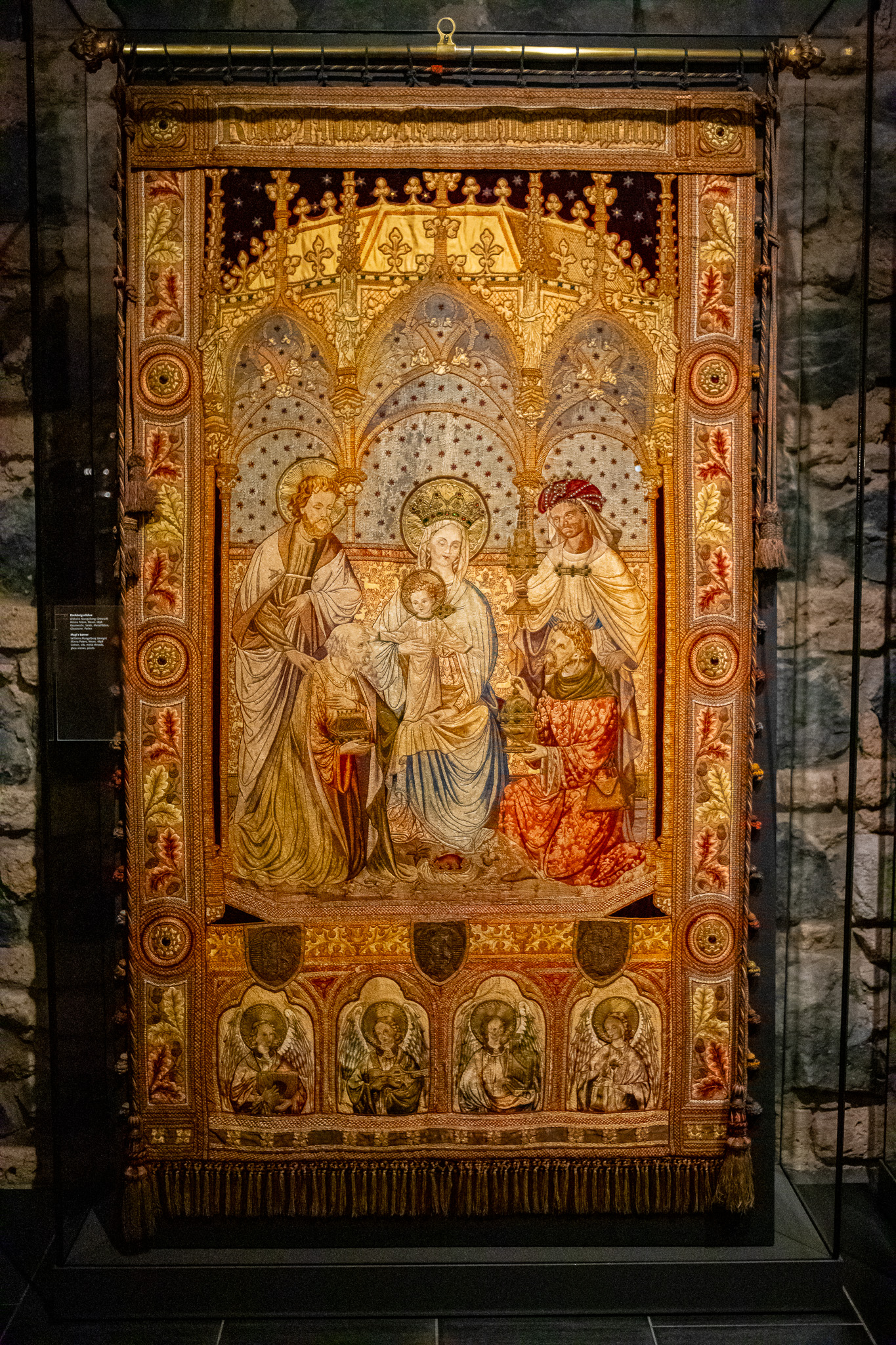
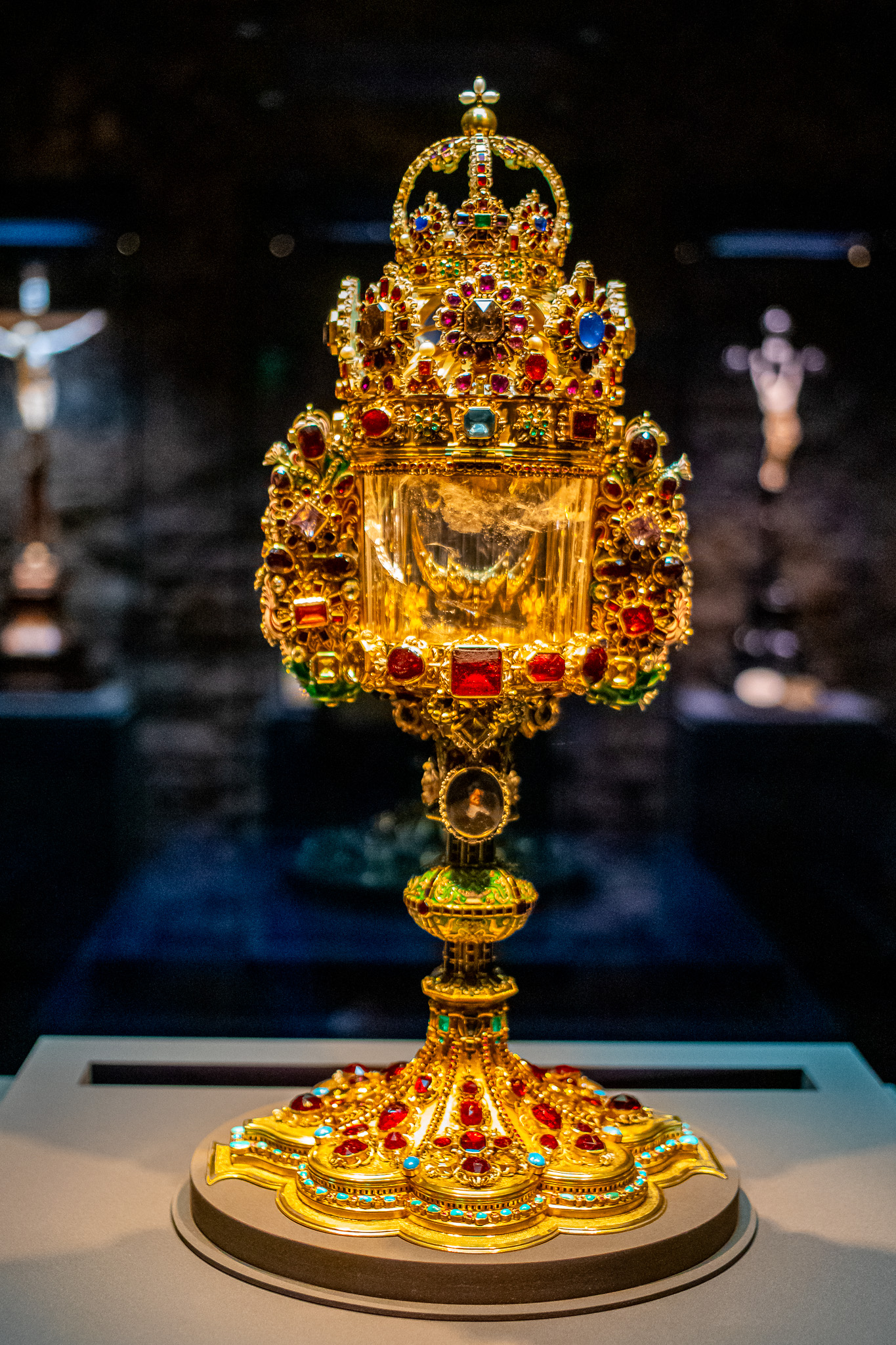
Hidden beneath the soaring Gothic arches of Cologne Cathedral lies one of the city’s most dazzling secrets—the Schatzkammer, or Cathedral Treasury. This subterranean vault houses an extraordinary collection of religious artifacts spanning over 1,000 years of history. From jewel-encrusted reliquaries and ornate chalices to medieval manuscripts and bishops’ vestments, the Schatzkammer showcases the incredible wealth and artistry of the Catholic Church throughout the centuries.
The collection includes several jaw-dropping pieces, including the Staff of Saint Peter (one of the oldest pieces dating back to the 4th century), intricate gold and silver liturgical objects, and precious gemstone-adorned crosses. Since the Schatzkammer is located directly beneath the cathedral, it makes a perfect add-on to any cathedral visit.
- Address: Domkloster 4 (entrance through the cathedral)
- Hours: 10:00 – 18:00 daily
- Ticket Price: 8€
- Website: https://www.domschatzkammer-koeln.de/
Roman Germanic Museum
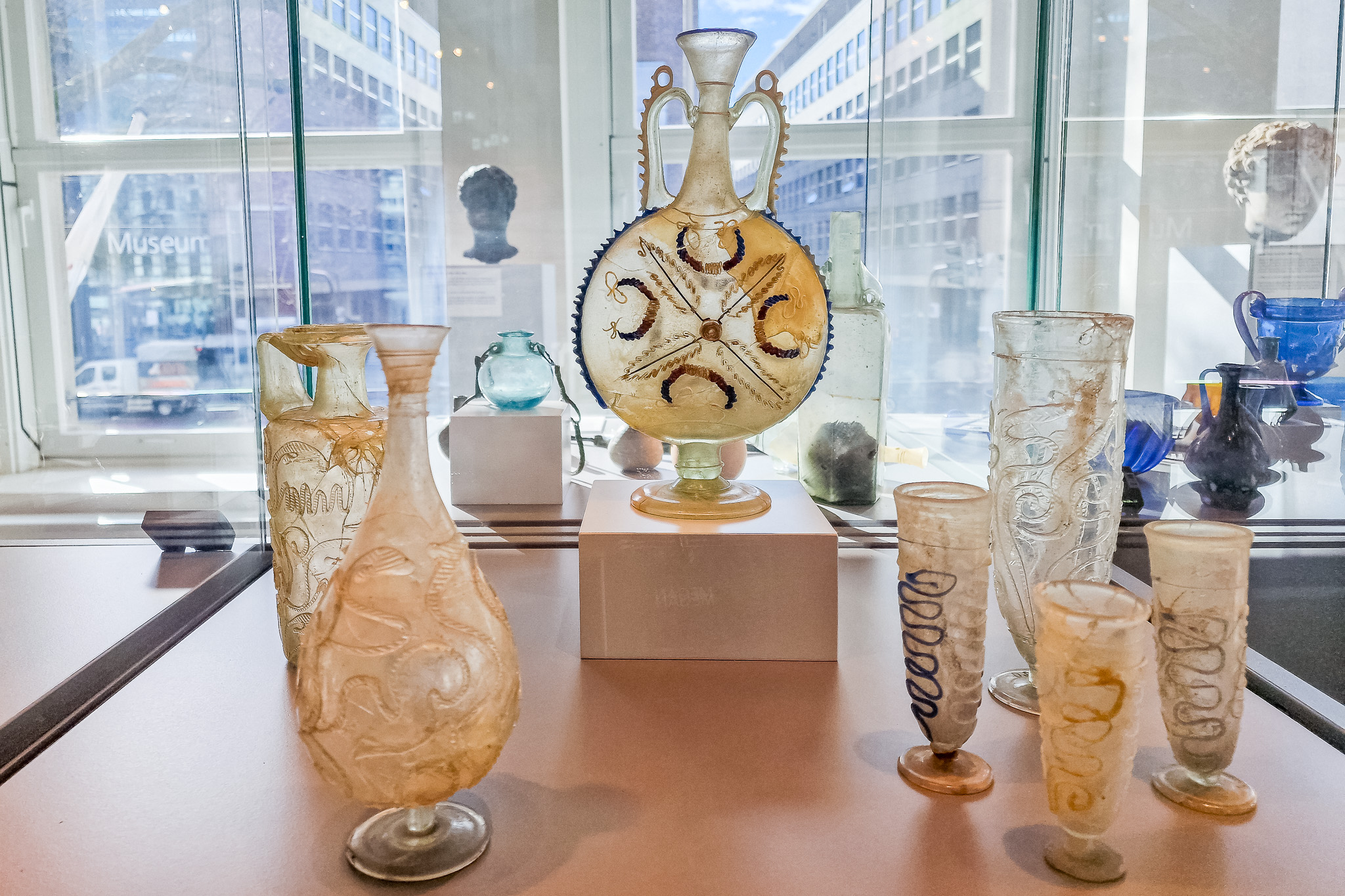
Cologne’s Roman history runs deep. Founded as “Colonia Claudia Ara Agrippinensium” in 50 AD, the city was one of the most important Roman settlements north of the Alps. The Roman Germanic Museum (Römisch-Germanisches Museum) houses one of Germany’s most significant collections of Roman artifacts, telling the story of Cologne’s first 400 years as a Roman colony.
The museum’s most famous treasure is the stunning Dionysus Mosaic—a 3rd-century floor mosaic discovered during construction of an air raid shelter in 1941. This incredibly preserved mosaic depicts scenes from the life of Dionysus, the god of wine, in vibrant colors that have survived nearly 2,000 years.
Important Update
The main museum building directly beside the Cologne Cathedral is currently closed for extensive renovation. However, you can still experience the collection! The Roman Germanic Museum has opened a temporary exhibition space at the Belgisches Haus, just a short walk from the cathedral. While not all pieces from the permanent collection are on display, the temporary space showcases highlights including Roman sculptures, glass works, and fascinating artifacts from daily Roman life in ancient Cologne.
- Address (Temporary Location): Cäcilienstraße 46 (Belgisches Haus)
- Hours: 10:00 – 18:00 Tuesday – Sunday
- Ticket Price: 6€
- Website: https://www.roemisch-germanisches-museum.de/
- Instagram: https://www.instagram.com/roemisch_germanisches_museum/
NS Documentation Center
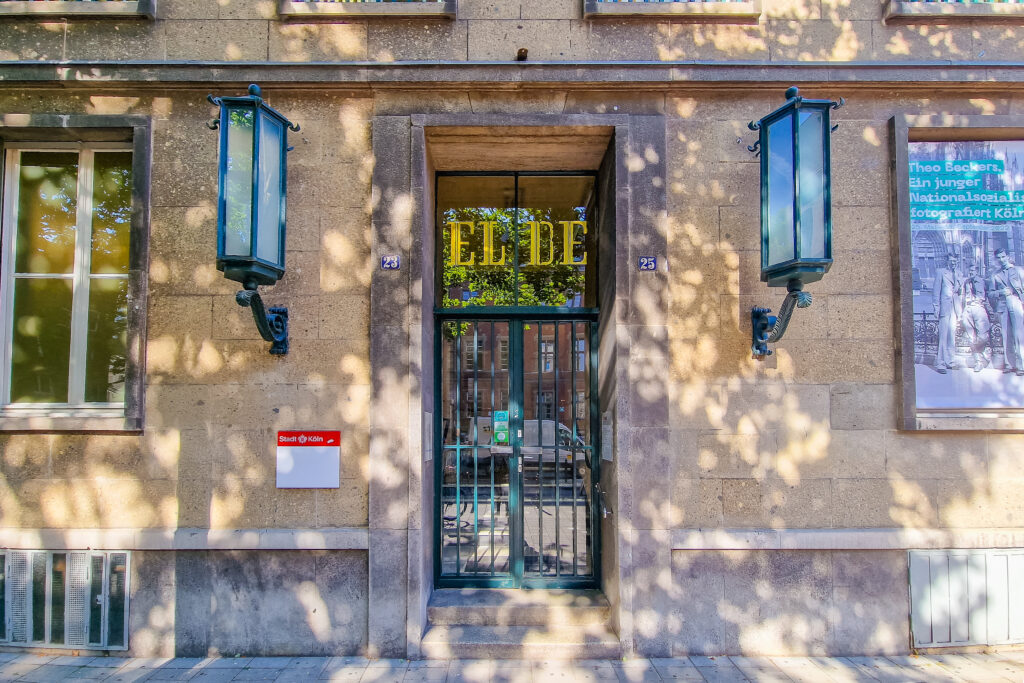
For a darker experience of German history, take a visit to the EL-DE House (also called NS Documentation Center) on Appellhofplatz. Once the headquarters of Cologne’s branch of the secret Gestapo police from 1935 to 1945, this museum now serves as a memorial center for victims of the Nazi regime. It is the largest memorial of its kind in Cologne. The permanent exhibition in the EL-DE-Haus deals with the history of Cologne during the National Socialist Third Reich era.
Most of the permanent exhibits in the museum are housed in the basement jail and detention center because this Gestapo Prison is one of the best preserved detention sites from the Nazi era. With more than 1,800 carvings on the prisoner cell walls, the building itself serves as a poignant cultural asset bearing witness to the persecution, torture and murder that occurred here. In 2009, the permanent exhibition was modernized with interactive media stations integrating visual media and in-depth materials to the visitor experience. You can expect an intense but important experience when you visit the EL-DE House.
- Address: Appellhofpl. 23-25, 50667 Köln, Germany
- Hours: 10:00 -18:00 Tuesday – Sunday
- Ticket Price: 4,50€ for visitors, free for Cologne residents
- Website: https://museenkoeln.de/ns-dokumentationszentrum/
- Instagram: https://www.instagram.com/ns_dok/
Museum Ludwig
The preeminent art museum in Cologne is the Ludwig Museum. Located just steps away from Cologne’s famous cathedral, this is an easy place to add on to any visit of Cologne. Named after Peter Ludwig, a millionaire chocolate magnate from the early 20th century, the museum was gifted 350 modern artworks from his private collection of more than 50,000 artworks.
The museum is devoted to modern art, particularly from the Pop Art, Abstract, and Surrealism eras of the 1960s-1990s. With an astonishing collection of works from artists like Andy Warhol and Roy Lichtenstein, the Ludwig is a must-visit in Cologne for any art lover. There is also a sizable Picasso wing, along with seasonal and rotating exhibitions throughout the year.
- Address: Heinrich-Böll-Platz
- Hours: 10:00 -18:00 Tuesday – Sunday
- Ticket Price: 12€
- Website: http://www.museum-ludwig.de/
- Instagram: https://www.instagram.com/museumludwig/


Wallraf-Richartz-Museum
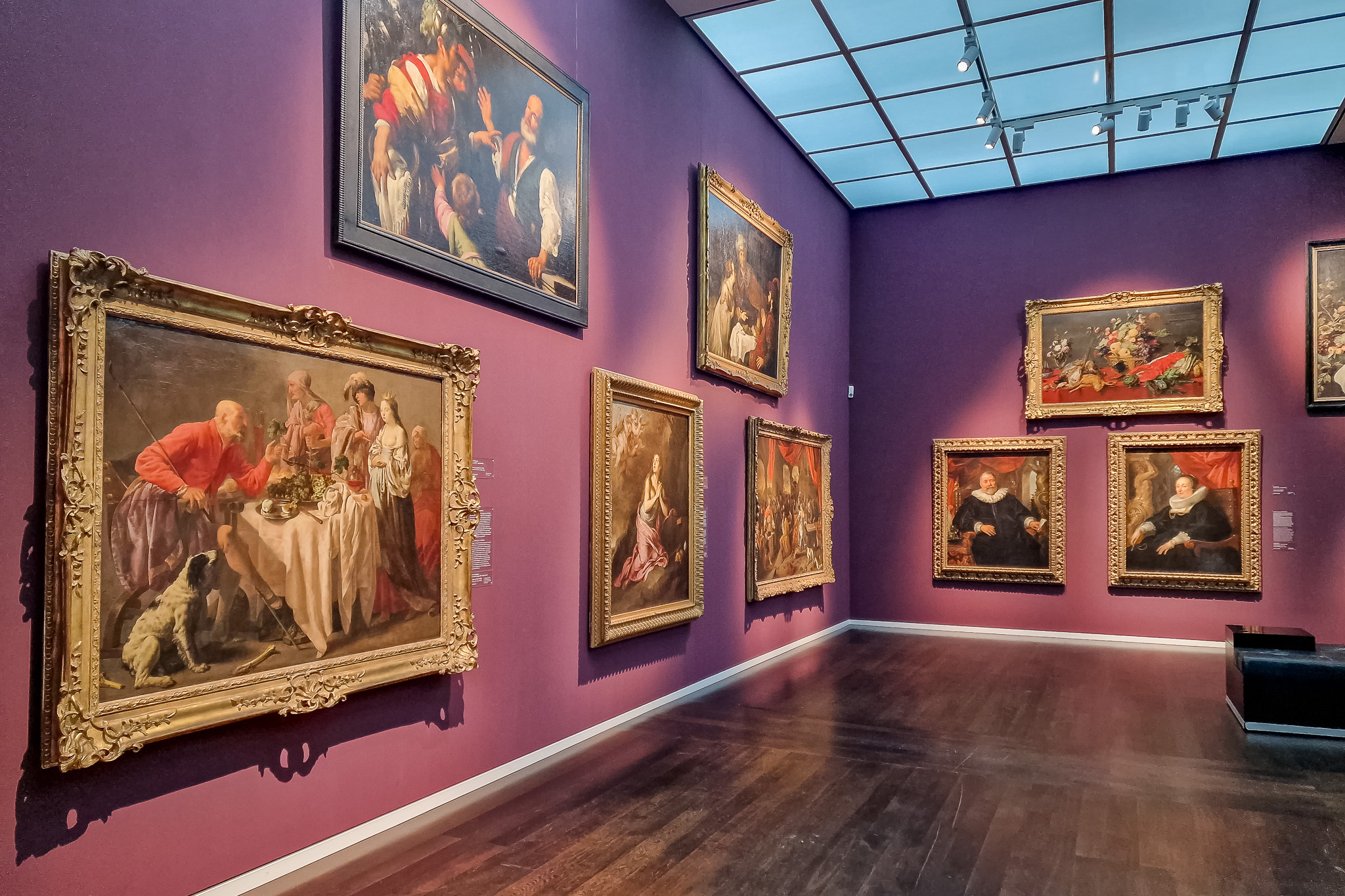
If the Ludwig Museum represents modern art, the Wallraf-Richartz-Museum is its older, more classical sibling. This is Cologne’s oldest museum, housing an exceptional collection of European art from the medieval period through the early 20th century. The museum’s Baroque and Renaissance works are significant, including paintings by Rembrandt, Rubens, and Albrecht Dürer.
Named after Ferdinand Franz Wallraf (who donated his art collection to the city) and Johann Heinrich Richartz (who funded the original museum building), the Wallraf is a must-visit for anyone who appreciates Old Masters and Impressionist paintings.
Art lovers shouldn’t miss the impressive Impressionist collection on the top floor. Works by Monet, Renoir, Cézanne, and other French masters create a bright, light-filled contrast to the darker medieval galleries below. The museum does an excellent job of showing how European art evolved over centuries. You can literally walk through art history from Gothic altarpieces to Impressionist landscapes all in one visit.
- Address: Obenmarspforten (at Martinstraße)
- Hours: 10:00 – 18:00 Tuesday – Sunday (until 21:00 on Thursdays)
- Ticket Price: 12€
- Website: https://www.wallraf.museum/
- Instagram: https://www.instagram.com/wallrafmuseum/
Kolumba
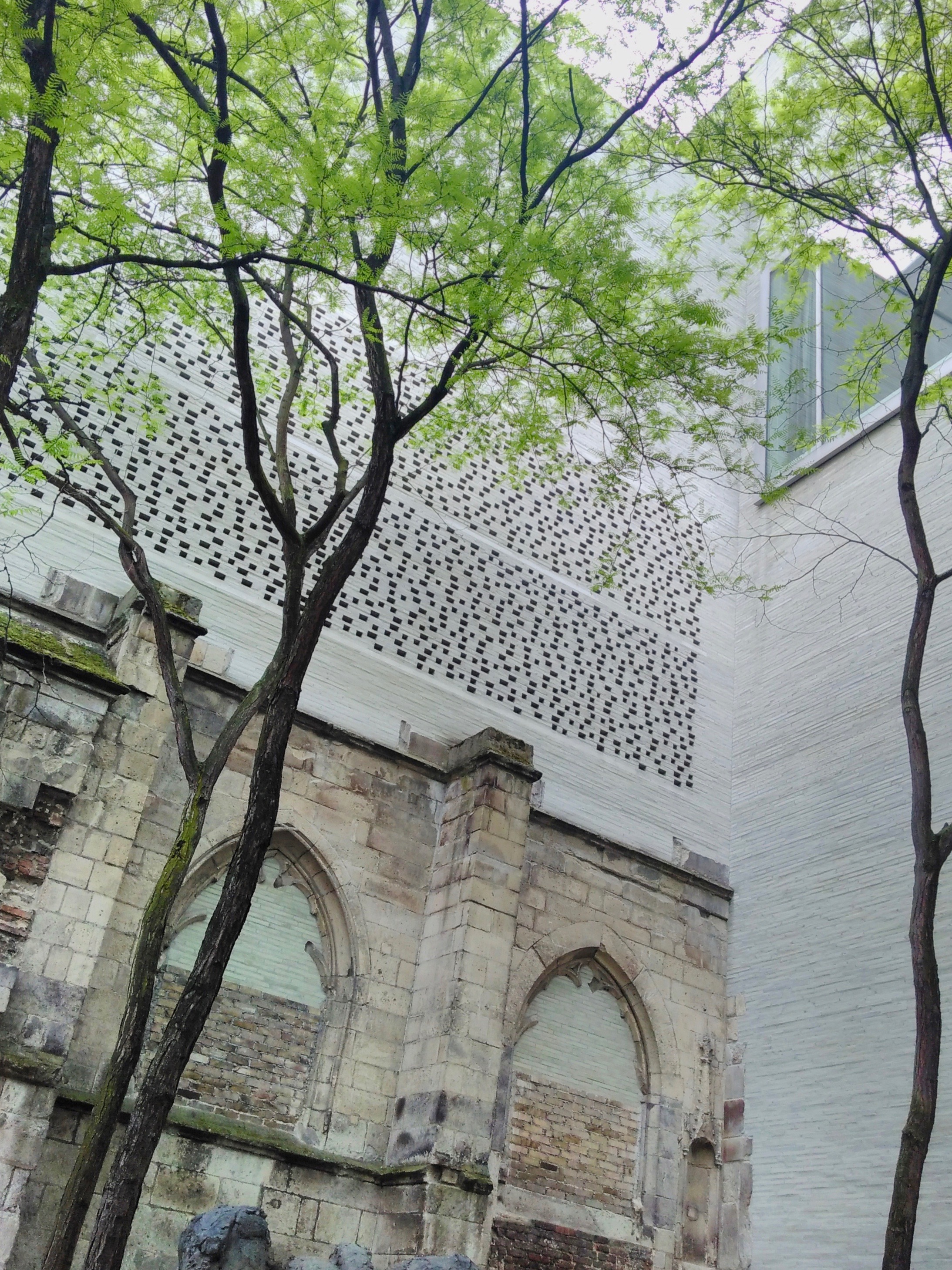
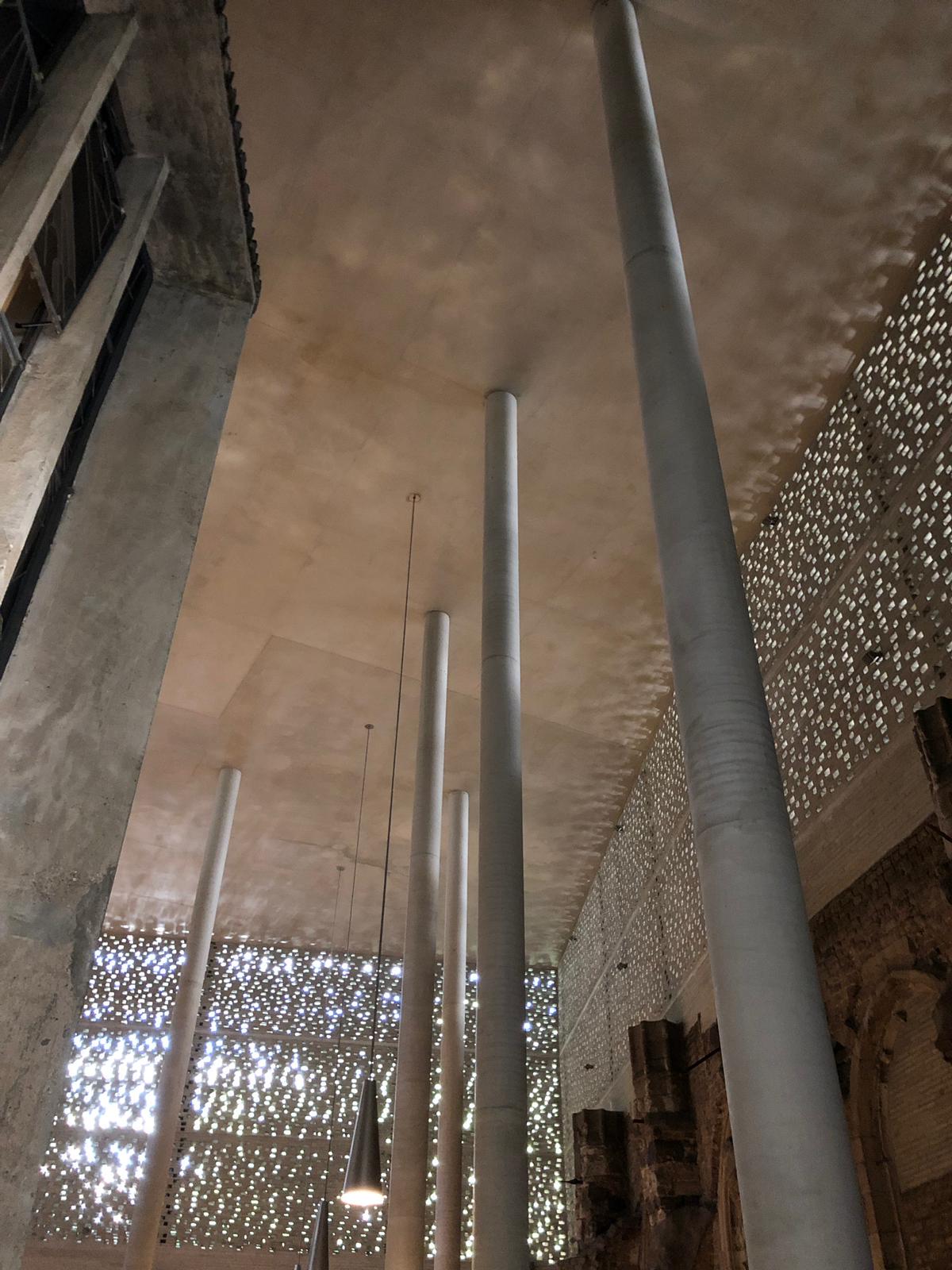
Not typically featured on a “best of Cologne” list, Kolumba is a hidden gem. Built by famed Swiss architect Peter Zumthor, Kolumba is a minimalist masterpiece housing the religious art collection of Cologne’s archdiocese. This is one of our favorite architectural sights in the city and we love showing off Kolumba to our visitors on our Alternative Cologne Tour or Belgian Quarter Tour. The building has three elements: the ruins of the original St Kolumba church, a chapel called Madonna in the Ruins, and a gallery & museum space housing the art collection.
You can visit all aspects of the building, making sure to notice the way the architecture uses light and shadow to show off the exhibits. As well as the building itself, the exhibitions are also fascinating. The Museum’s collection combines artifacts going back to the Roman period with contemporary artists. Everything is explained in a handbook (available in English).
- Address: Kolumbastraße 4
- Hours: 12:00 -17:00 Wednesday – Monday
- Ticket Price: 8€
- Website: https://www.kolumba.de/

Rautenstrauch-Joest Museum
Take an ethnographic and cultural tour of the world at the unique Rautenstrauch-Joest Museum. Ethnography is the scientific study of peoples and cultures with their customs, habits, and mutual differences. The museum’s primary collection contains over 3,500 artifacts from Wilhelm Joest, a 19th century ethnographer who traveled to Africa, Oceania and Asia during his studies. Focused heavily on storytelling and engaging the visitor, this museum leads you through elements of culture that can be found around the world such as weddings, music, funerals and celebrations.
From a reconstructed Indonesian longhouse to Chinese wedding garments, there is a fascinating assortment of items at this museum. The Rautenstrauch-Joest museum is not exempt from ongoing societal conversations about colonial-era artifacts remaining in European museums and collections. In fact, the museum attempts to grapple with questions of ownership and preservation in the exhibits, giving the museum a very contemporary feel.
- Address: Cäcilienstraße 29-33
- Hours: 10:00 -18:00 Tuesday – Sunday
- Ticket Price: 7€
- Website: http://www.rautenstrauch-joest-museum.de/visit
- Instagram: https://www.instagram.com/rautenstrauchjoestmuseumkoeln/
Kölnisches Stadtmuseum
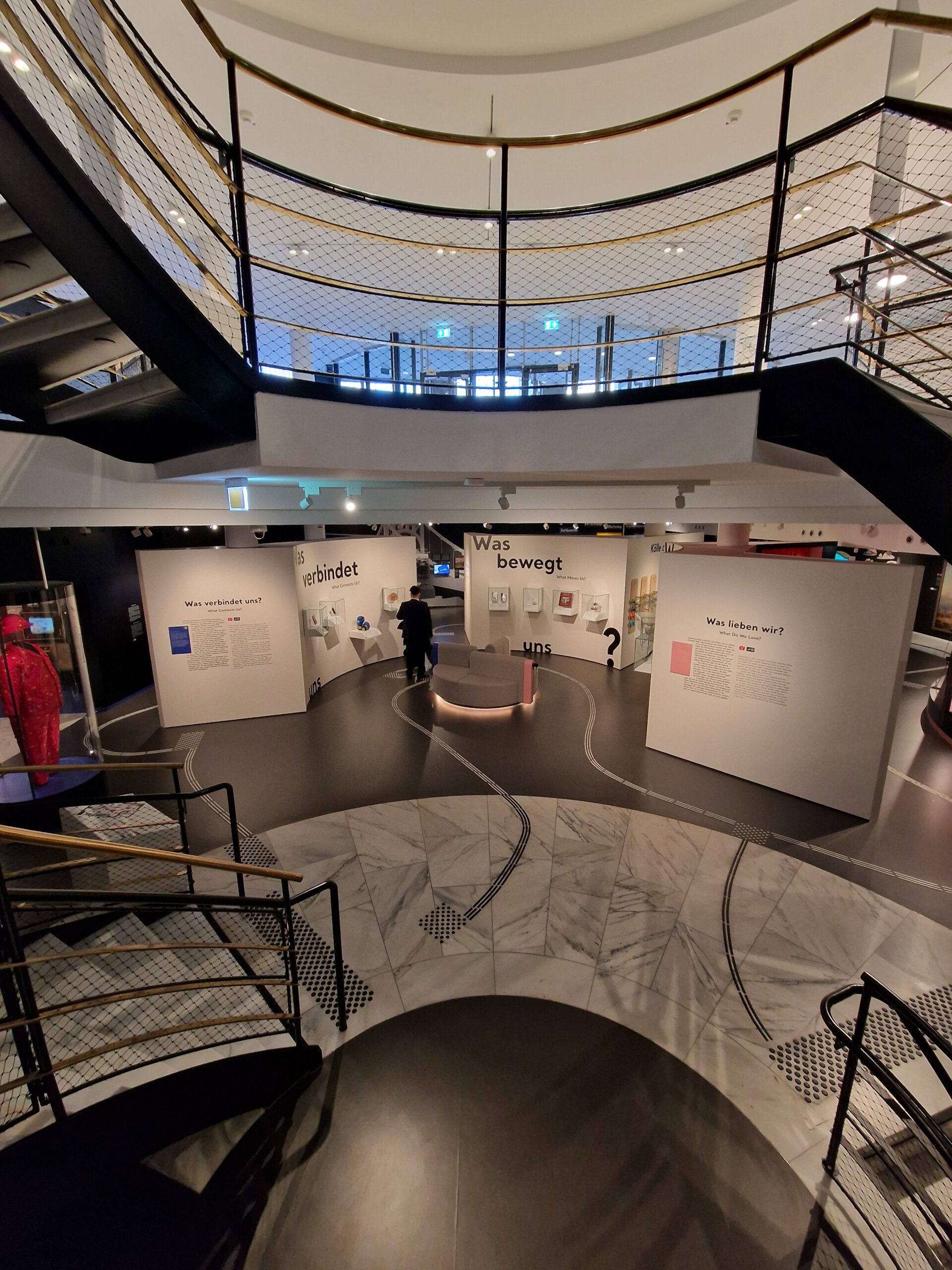
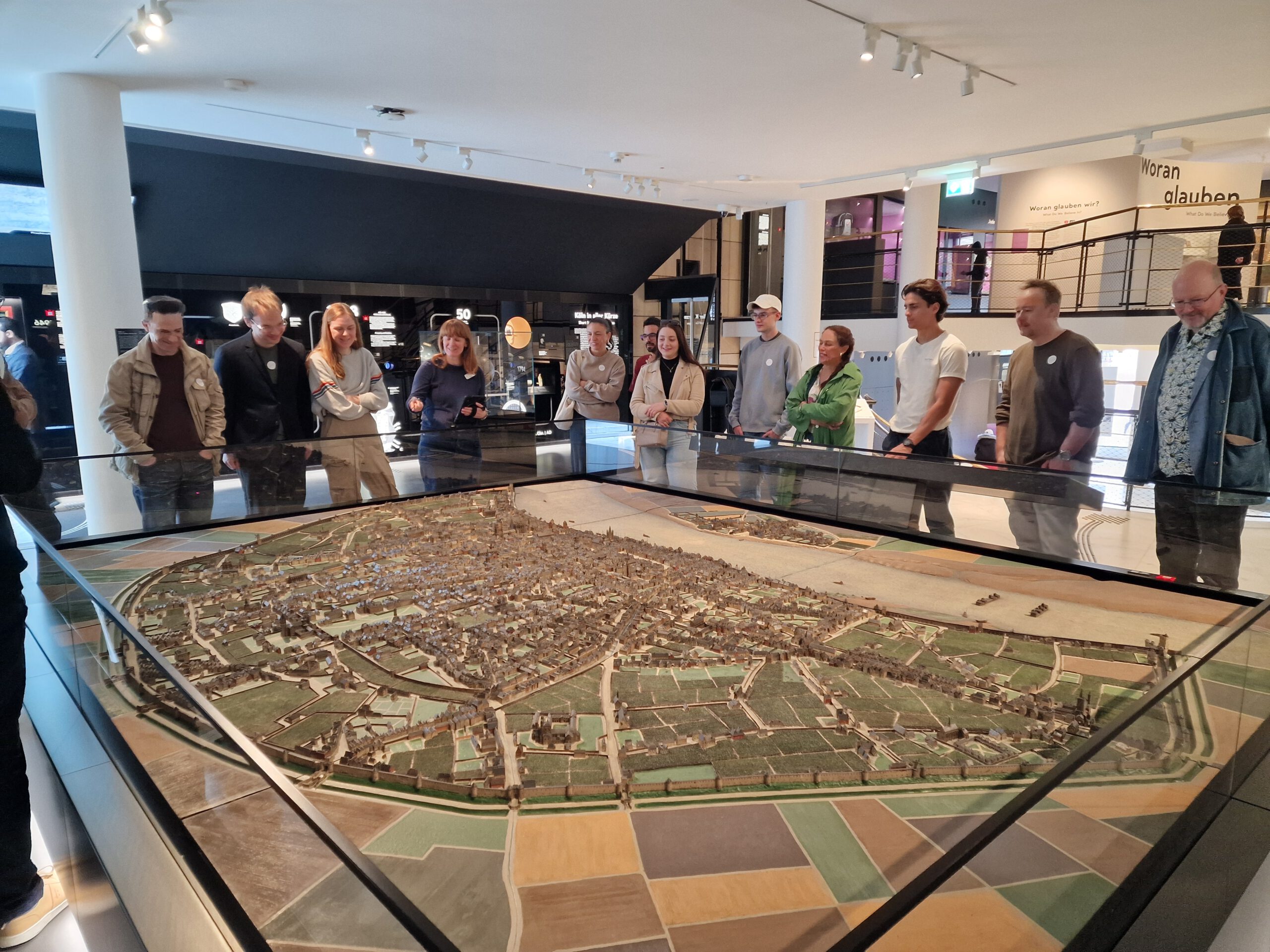
Want to understand how Cologne evolved from a Roman outpost to the vibrant metropolis it is today? The Kölnisches Stadtmuseum (Cologne City Museum) tells that story through an impressive collection of artifacts, documents, and interactive exhibits spanning 2,000 years of local history.
The permanent exhibition covers everything from Roman Cologne (Colonia) through the medieval period when Cologne was one of the wealthiest cities in Europe, to the devastating WWII bombings that destroyed 90% of the old city, and finally to modern reconstruction.
You’ll see archaeological finds, historic maps, medieval guild artifacts, carnival costumes (because Cologne takes Karneval VERY seriously), and even a reconstructed shop interior from the early 1900s. One of the museum’s strengths is showing how ordinary Cologne residents lived. And not just kings and bishops, but the local merchants, craftspeople, and regular families.
- Address: Zeughausstraße 1-3
- Hours: 10:00 – 17:00 Tuesday – Sunday
- Ticket Price: 5€
- Website: https://museenkoeln.de/koelnisches-stadtmuseum/