When you think of Düsseldorf, what comes to mind? Maybe Art museums? Or perhaps Altbier? Maybe even architecture? One thing you might not expect: a vibrant Japanese community. Düsseldorf has the 3rd largest Japanese population in all of Europe. This unique East-meets-West connection didn’t just appear overnight. It’s a story rooted in business, family, and the quiet, slow process of multi-generational immigration. The city is a living bridge between two cultures. Düsseldorf’s Japanese community is one of the best (and most surprising!) things to experience when you are traveling in Germany.
Düsseldorf is home to one of the largest Japanese populations in Europe, not just in numbers, but in visibility, culture, and culinary impact. This community has been shaping the city for over half a century.
If you want to dive deep into the Japanese history & influence in Düsseldorf, consider a walking tour with Art of Touring. We offer niche and customized walking tours around unique subjects and attractions. Whether you’re a traveler with a taste for sushi, or someone who just loves wandering into unexpected cultural gems, this is your guide to the Japanese side of Düsseldorf.
Everything You Need To Know About Japanese Culture & History In Düsseldorf
History of Japanese Community in Düsseldorf
The presence of a Japanese community along the Rhine began in the 1950s, when Japan sought to rebuild economically after World War II. Japanese businesses needed access to heavy‑industry know-how, particularly in steel and mechanical engineering. Düsseldorf’s proximity to the Ruhr region, its river port, and its excellent infrastructure made it a compelling choice. The first corporate footprints were Mitsubishi in 1954 and Okura & Co. in 1957, quickly establishing Düsseldorf as a nucleus for Japanese trade in Europe.
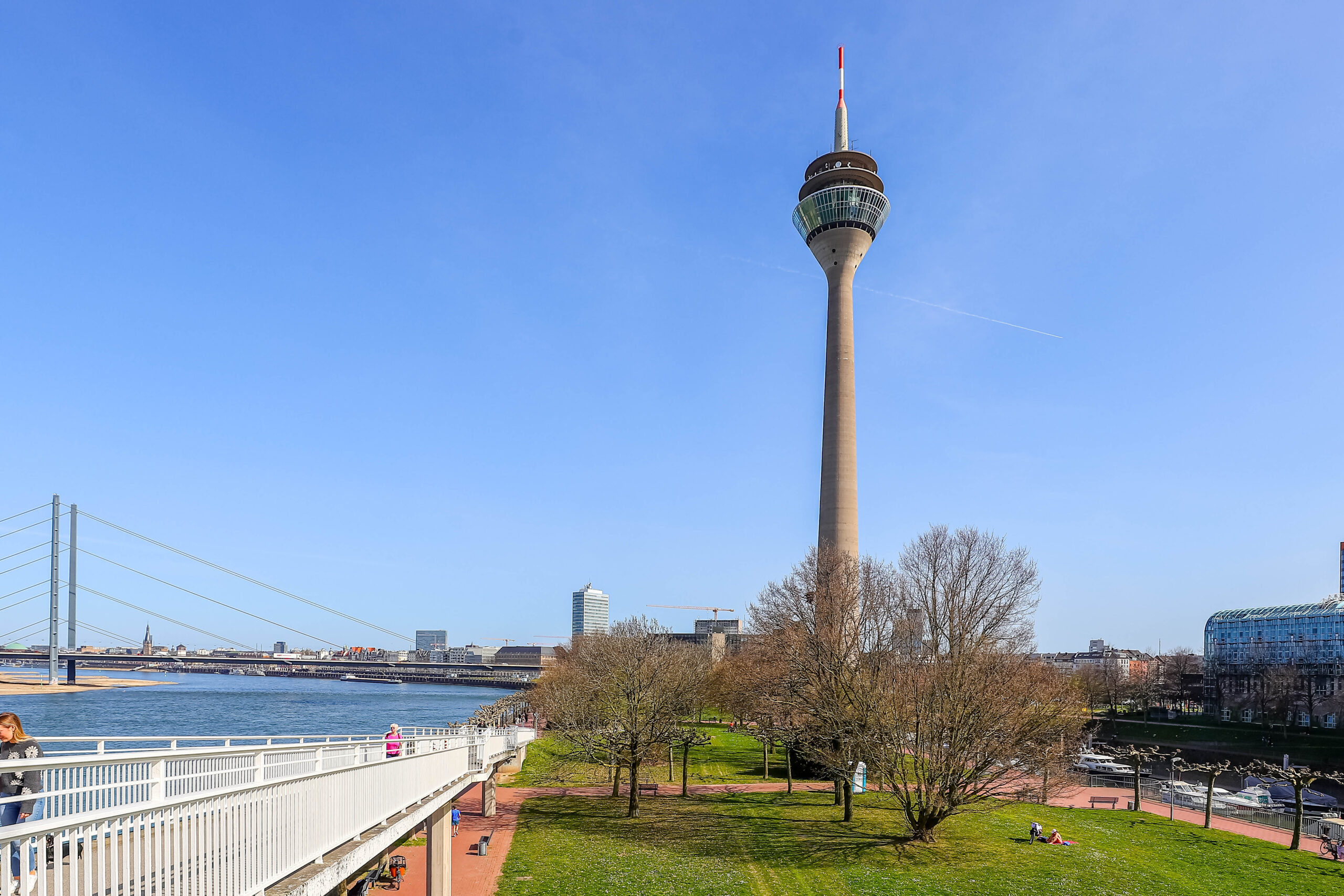
By the 1970s, as business ties strengthened, Japanese families began settling in greater numbers. In 1971, Düsseldorf opened the first Japanese international school in Europe. Cultural institutions also blossomed. The Tokyo‑style Japanese Garden was created in Nordpark to connect to homeland culture. In 1993, the EKO House of Japanese Culture, featuring tea‑houses, a Buddhist temple, and garden, further anchored its spiritual and cultural presence.
Into the 1990s and early 2000s, the Japanese community continued to expand. In 2002, the city launched Japan Day, transforming what had been a cultural celebration into an annual festival drawing thousands of visitors and spotlighting the deep cultural bonds between Düsseldorf and Japan.
As of 2021, Düsseldorf was home to approximately 12,000 Japanese nationals and about 636 Japanese companies operated in the region. Today, the city boasts the third‑largest Japanese community in Europe, after London and Paris.
Japanese Attractions to See in Düsseldorf
Japanese Garden on the Rhine
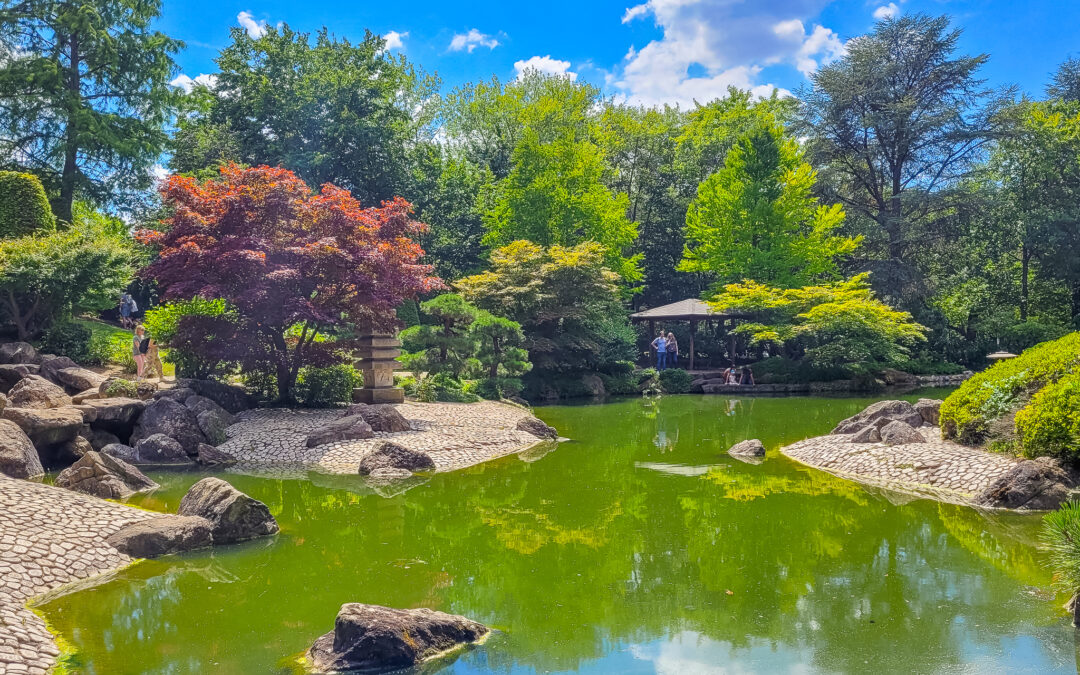
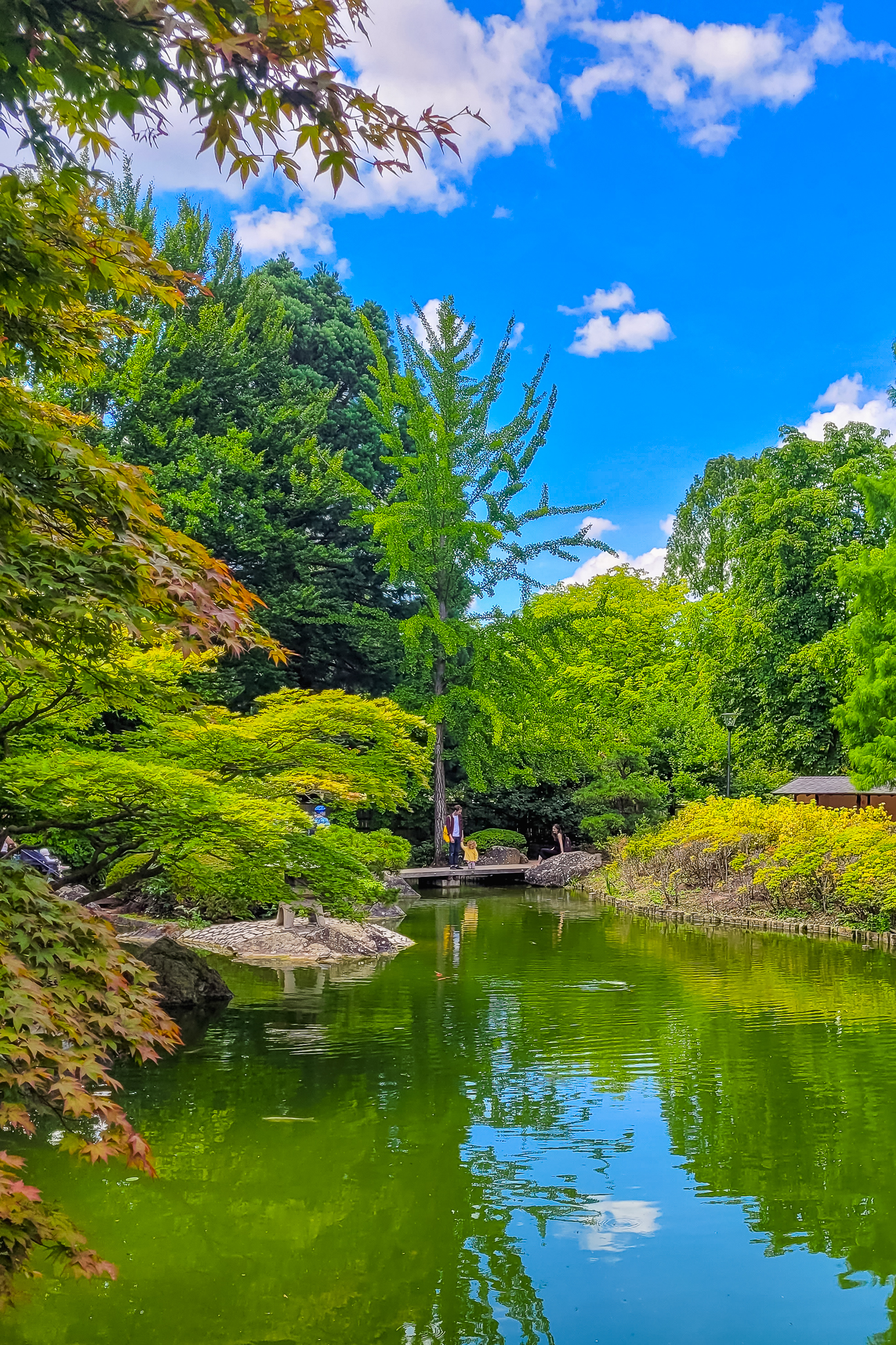
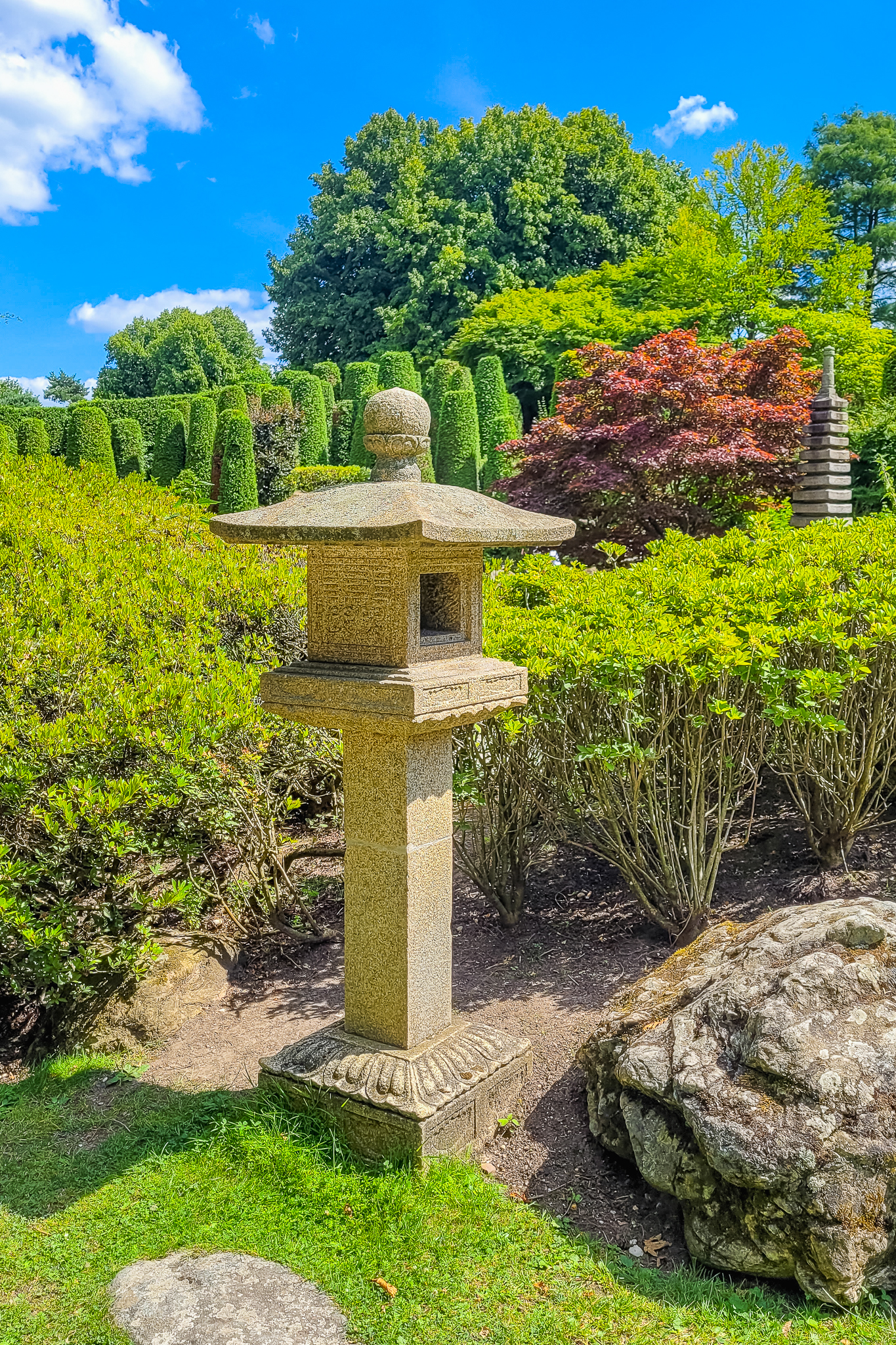
Tucked inside the serene Nordpark, this 5,000-square-meter Japanese Garden is one of the most peaceful corners of the city. It was gifted to Düsseldorf by the Japanese community in the 1970s and designed in traditional style by garden masters from Tokyo. It features sculpted pines, koi ponds, stone lanterns, and curved bridges. You’ll find that it is a place made for quiet reflection, morning walks, or a bit of jet-lagged zen.
EKO House
If the garden is Düsseldorf’s peaceful soul, the EKO House in the Niederkassel neighborhood is its spiritual heart. This cultural center includes a Buddhist temple, a traditional Japanese wooden house, a library, and classrooms where everything from tea ceremonies to language courses take place. Opened in 1993, it’s a rare opportunity to step into authentic Japanese architecture and spirituality without ever leaving Germany.
Japan Tag
Held annually on the Rhine promenade since 2002, Japan Day (Japan‑Tag) is one of Europe’s largest Japanese cultural festivals. With up to 600,000+ visitors, it features music, dance, martial arts, cosplay, kimono trials, sake seminars, and food stalls. It typically takes place in early summer and ends with one of the largest fireworks displays in Germany. Whether you’re into cosplay or just curious about Japanese culture, Japan Day is unmissable.
What to See & Do in Little Tokyo
Just a few minutes’ walk from the city’s main train station is Little Tokyo — Düsseldorf’s Japanese epicenter. This isn’t a touristy replica. It’s a neighborhood that has grown organically, created by and for the local Japanese community. The vibe here is more Tokyo business district than theme park, but that’s what makes it so compelling. Here’s how to explore it like a local.
Stroll Immermanstraße
Immermannstraße is the backbone of Little Tokyo, lined with Japanese restaurants, ramen shops, bakeries, bookstores, grocery stores and even a Japanese bank or two. It’s a place where Japanese locals feel at home and where visitors can enjoy authentic food, shopping, and cultural vibes without the long-haul flight. Grab a matcha latte, browse manga at a local bookstore, or duck into a konbini-style supermarket packed with rare snacks. You might even see signs in kanji before you see them in German.
Buy Authentic Japanese Products
Little Tokyo is the perfect place to stock up on high-quality Japanese goods. Want premium green tea, ramen kits, or sake? Head to Shochiku or Dae-Yang markets. Searching for ceramics, stationery, or that rice cooker you saw on TikTok? You’ll find it here. Shops here don’t sell knock-offs or watered-down versions. The products are genuinely Japanese, often imported directly from Japan. And if you’re into skincare and beauty, keep an eye out for Japanese brands that are hard to find elsewhere in Europe.
Eat Japanese Food
Let’s be real: food is half the reason to come to Little Tokyo.
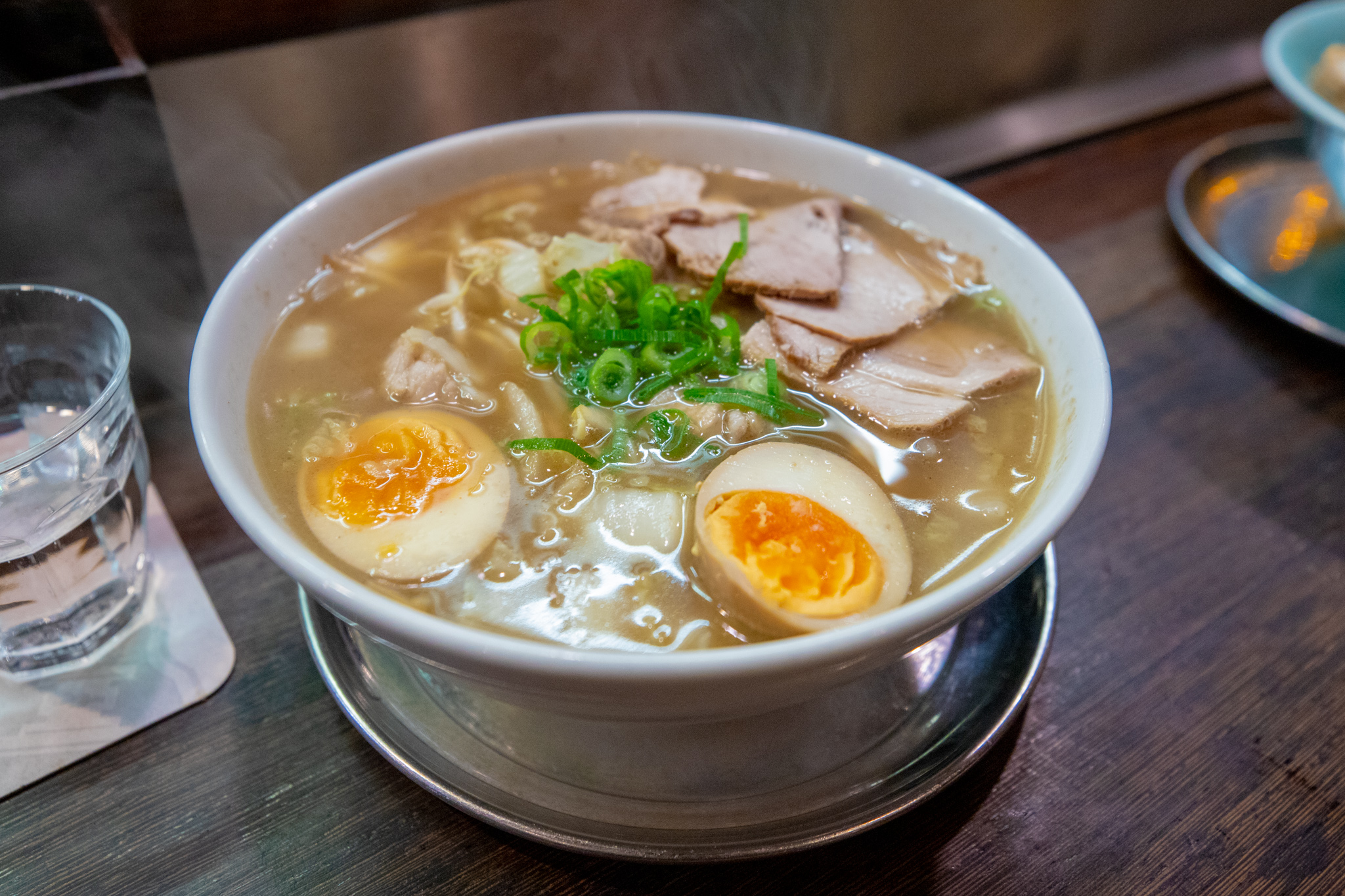
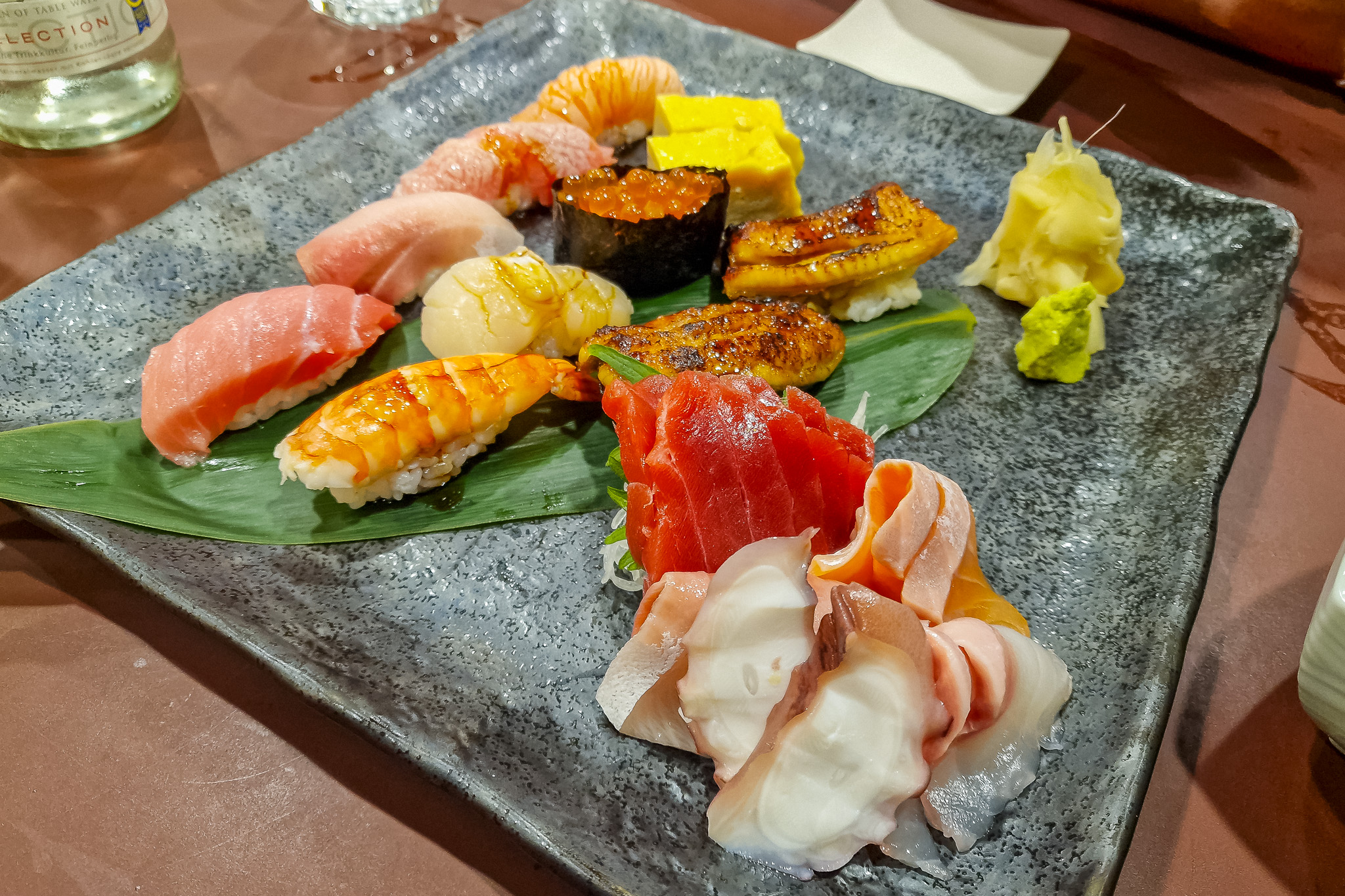
Düsseldorf’s Japanese restaurants are some of the best in Europe — no exaggeration. The foodie scene in Little Tokyo is full of ramen shops, izakayas, sushi bars, and cafés offering traditional and modern specialties. Each is more delicious than the last! It’s common to see queues during busy hours or on weekends.
There’s no shortage of great spots, but here are some staples:
- Naniwa – A noodle legend with two storefronts: one for ramen, one for udon. The queues are long, but always worth it.
- Takumi – Tokyo-style ramen with rich broth & bold toppings. They’ve expanded internationally but it started here.
- Nagaya – Splurge on a Michelin star omakase menu at this aesthetic restaurant
- Kushi-Tei of Tokyo – A cozy izakaya perfect for grilled skewers, sashimi, and Japanese whiskey.
Don’t skip the sweets! Try warabi mochi, melonpan, or matcha cake from Japanese bakeries that are just as devoted to authenticity as the restaurants.
Final Thoughts
Düsseldorf’s Japanese community is a story of cultural connection built not just through business deals but through schools, temples, ramen bowls, and neighborhood bakeries. It’s a story of two worlds growing side by side, sometimes quietly, sometimes with fireworks. Whether you’re a curious traveler, a culture lover, or just really into noodles, Düsseldorf offers something rare in Europe: an authentic taste of Japan that’s woven into the city’s very fabric.